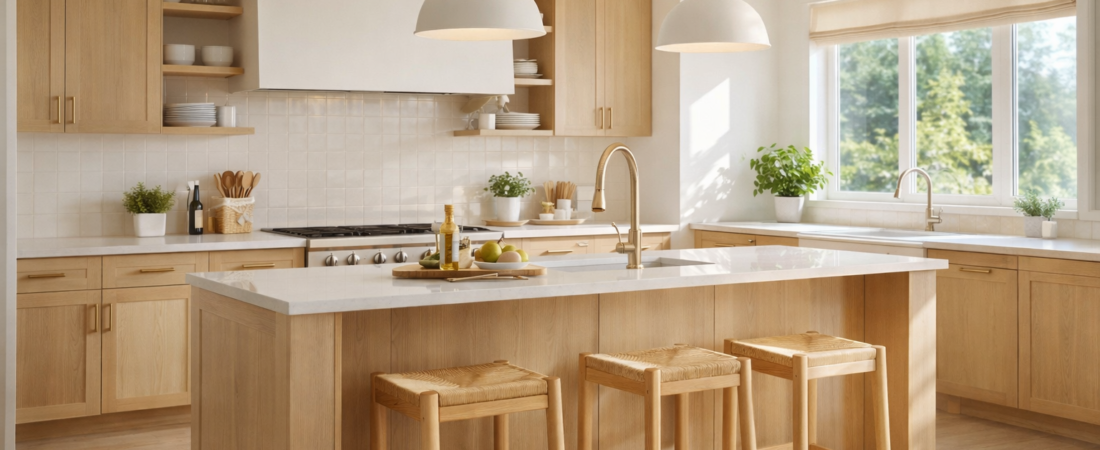
A kitchen can have full cupboards and still feel as though nothing is in the right place. The utensils you need are across the room, food disappears behind larger containers, and the counter holds things you use only occasionally. A useful organization system follows the way you prepare, cook, and clean up everyday meals.
Follow one ordinary meal from start to finish
Choose a meal you make regularly and notice every cupboard or drawer you open. Where do you take out the pan? Where do you chop ingredients? Which items make you walk back and forth? These small detours reveal more about the kitchen than an empty-cupboard photograph.
Write down the equipment used for your most common meals. Give those pieces convenient storage before arranging specialty tools. A rarely used appliance does not need the most accessible shelf simply because it is large or expensive.
Sort one cupboard at a time
Empty a manageable section, clean it, and group similar items. Remove damaged equipment and review duplicates. Decide what belongs elsewhere before reorganizing the cupboard. Working on one area lets you finish the job without covering every surface in the kitchen.
Measure the usable space inside the cupboard, including hinges and any fixed shelving. If you later choose an organizer, check whether it can be removed and cleaned and whether the door will close. Avoid buying a matching set of containers before understanding what needs to fit.
Create simple preparation, cooking, and cleaning zones
Keep frequently used preparation tools close to a practical work surface. Store the pans you use most often near the cooking area where safe and convenient. Keep everyday dishes accessible from the place where you unload them. The exact arrangement depends on your room; a useful zone reduces unnecessary steps.
Do not store items where heat, steam, or water may damage them. Follow appliance clearance and storage instructions. Keep cleaning products separate from food and away from children, and choose secure storage appropriate to your household.
Make food visible without decanting everything
Group food by the way you use it: breakfast items together, cooking staples together, and snacks in a defined area. Keep newer purchases behind older ones when appropriate so existing food is easier to use first. Check dates and condition as part of your normal shopping routine.
Transparent containers can help in some situations, but the original packaging often contains useful preparation, allergen, and date information. Retain that information when transferring food, and use containers suitable for the contents. Avoid topping up a container indefinitely without cleaning it or checking what remains at the bottom.
Give the counter a deliberate limit
Choose which appliances deserve permanent counter space based on regular use and safe positioning. A kettle or coffee maker used daily may justify its place. A device used once a month may be better stored elsewhere if lifting and storing it is manageable.
Leave a usable preparation area rather than filling every gap. Before placing something permanently, check its cable, ventilation, and distance from water or heat. A counter should support the next meal, not become a showroom for every appliance in the house.
Keep drawers easy to reset
Use a divider only where it solves a real problem. Everyday cutlery benefits from clear compartments; a utensil drawer may need a simpler arrangement for awkward shapes. Avoid packing so many objects inside that you have to arrange them perfectly before the drawer can close.
Store sharp tools appropriately and consider who can access them. Heavy pans and frequently used equipment should be kept where they can be lifted and replaced conveniently. Do not overload shelves or rely on a light organizer to support equipment it was not designed to hold.
Use a shopping check instead of a second pantry
Before making a shopping list, look in the places where you store the foods you buy repeatedly. Note what is running low and what needs using. Keeping a simple list near the place you plan meals can prevent duplicate purchases that crowd a small cupboard.
If several people shop, agree on where the shared list lives. The best system is one everyone will actually check. A complicated inventory that is never updated may create more work than a quick cupboard review.
End with a short kitchen reset
After the main meal, return equipment to its assigned places and clear the preparation area. Note a missing staple while it is fresh in your mind. Deal with one small problem rather than postponing everything until a major cleaning day.
After a week, move anything that repeatedly ends up somewhere different from its assigned place. Your household’s habits may suggest a better location. A system should help people put things away naturally, rather than require them to remember an elaborate set of rules.
Small kitchens work best when the everyday essentials are easy to find, use, and return. Organize for the meals you actually make, protect a clear work surface, and let the less frequent equipment take a supporting role.